
Cuthbert Hedging Services
Choose Cuthbert for professional hedging that enhances your property's privacy, curb appeal, and long-term health—crafted by specialists who care about your landscape as much as you do.
Get a Free QuoteOur Cuthbert Landscaping & Yard Care Services
When to Schedule Hedging in Cuthbert, Georgia – Seasonal Guide
In Cuthbert, Georgia, the best times to schedule hedging are closely tied to our unique climate and landscape. Early spring, just after the last frost date, and late summer are generally optimal for most hedging projects. These periods allow plants to recover quickly and encourage healthy, dense growth. With Cuthbert’s humid subtropical climate, timing is crucial to avoid stress from summer heat or unexpected cold snaps. Neighborhoods near Andrew College or the historic Randolph County Courthouse often experience microclimates due to mature tree canopies and varying shade coverage, which can influence the ideal hedging schedule for your property.
Local environmental factors such as soil type—ranging from sandy loam to clay—impact root health and water retention, while the risk of drought during late summer months can affect how and when hedging should be performed. It’s also important to consider municipal guidelines and any restrictions that may apply in your area. For more information on local regulations, visit the official Cuthbert resources.
Local Factors to Consider for Hedging in Cuthbert
- Proximity to landmarks like Andrew College or the Randolph County Courthouse
- Tree density and shade coverage in your neighborhood
- Soil type (sandy loam vs. clay)
- Typical precipitation patterns and drought risk
- Frost dates and seasonal temperature swings
- Municipal restrictions or neighborhood association guidelines
- Terrain and accessibility of your landscape
Benefits of Hedging in Cuthbert
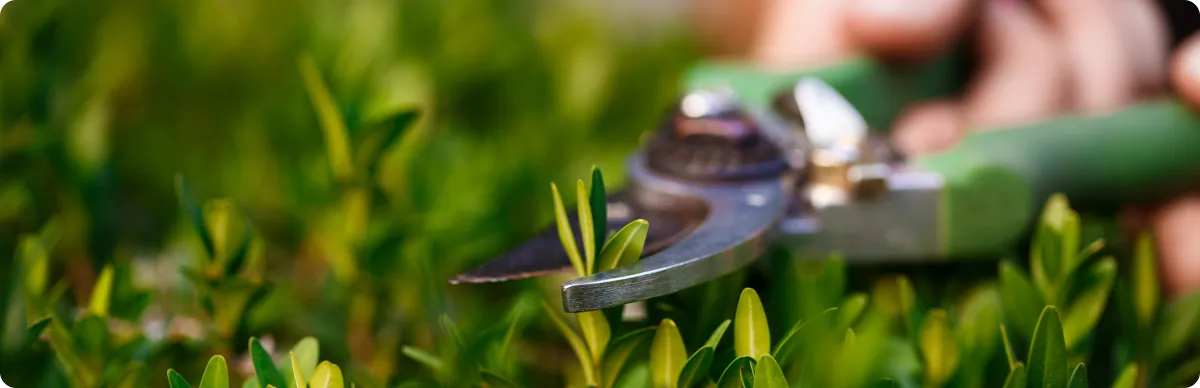
Expert Hedge Shaping
Enhanced Property Privacy
Improved Curb Appeal
Seasonal Maintenance Plans
Eco-Friendly Landscaping Solutions
Local Knowledge and Experience
Cuthbert Hedging Types

Boxwood Hedges
-
Privet Hedges
-
Yew Hedges
-
Laurel Hedges
-
Beech Hedges
-
Holly Hedges
-
Hornbeam Hedges
Our Hedging Process
Consultation and Planning
Site Preparation
Precise Trimming
Cleanup and Inspection
Why Choose Cuthbert Landscape Services

-
Cuthbert Homeowners Trust Us
-
Expert Lawn Maintenance
-
Reliable Scheduling
-
Competitive Pricing
-
Professional Team
-
Satisfaction Guarantee
-
Personalized Service
Selecting Heat-Tolerant Hedge Species for Cuthbert's Coastal Plain Climate
Cuthbert sits in USDA Hardiness Zone 8b within Georgia's lower Coastal Plain, where summers regularly exceed 95°F and humidity remains elevated from May through September. These conditions demand hedge species adapted to prolonged heat stress and sandy, acidic soils. The predominant Orangeburg and Faceville soil series in the Cuthbert area—characterized by well-drained sandy loam over clay subsoil with pH levels typically between 4.5 and 5.8—favor specific shrub selections. Recommended hedge species for Cuthbert properties include:
- Ligustrum japonicum (Japanese Privet): tolerates full sun, heat, and periodic drought; responds well to frequent shearing
- Ilex vomitoria (Yaupon Holly): native to the region, thrives in acidic sandy soils, and accepts formal or informal hedging
- Loropetalum chinense: performs well in Zone 8b with moderate water; provides year-round foliage density
- Viburnum odoratissimum (Sweet Viburnum): fast-growing screen hedge suited to Cuthbert's long growing season
Property owners should consult the UGA Cooperative Extension for cultivar-specific guidance and verify soil pH through the USDA Web Soil Survey before planting. Avoid invasive species such as Chinese privet (Ligustrum sinense), which the UGA Extension - Invasive Species program identifies as a significant threat to Georgia's native ecosystems.
Property-Line Visibility and Hedge Setback Considerations in Cuthbert
Hedges planted along property boundaries in Cuthbert must comply with local zoning and code enforcement standards that govern sight lines, setbacks, and frontage maintenance. Overgrown or improperly placed hedges can obstruct sidewalks, encroach on neighboring parcels, or impair driver visibility at intersections and driveways. Randolph County's planning and zoning framework addresses land-use standards that may affect hedge placement, particularly on corner lots and properties adjacent to public rights-of-way. Key considerations include:
- Maintaining a minimum sight triangle at intersections—hedges within these zones should generally not exceed 30 inches in height
- Ensuring hedges do not extend beyond the property line into city rights-of-way or utility easements
- Keeping frontage hedges trimmed to avoid obstructing pedestrian pathways or drainage swales
Property owners should verify current setback and visibility requirements with Randolph County Planning and Zoning before installing new hedges, especially on lots near state routes or municipal roadways.
Randolph County Planning and Zoning
Cuthbert, GA 39840
Official Website: Randolph County Planning and Zoning
Optimal Hedge Trimming Timing for Cuthbert's Extended Growing Season
Cuthbert's long warm season—typically spanning from late March through early November—produces vigorous hedge growth that requires carefully timed maintenance. The National Weather Service data for southwest Georgia indicates the last average spring frost occurs near mid-March and the first fall frost arrives in mid-November, giving hedges approximately eight months of active growth. Proper timing prevents stress injury and promotes dense, healthy foliage:
- Late February to early March: perform major structural pruning before new spring growth begins; this is the ideal window for reshaping overgrown hedges
- May through June: execute the first maintenance trim after the spring flush hardens off
- August: a second light trim controls summer growth and maintains form before fall
- Avoid heavy pruning after September: late cuts stimulate tender growth vulnerable to early frost damage
Flowering hedge species such as Loropetalum should be trimmed immediately after bloom to preserve the following year's flower buds. Broadleaf evergreens like holly and privet tolerate shearing throughout the active season but benefit most from cuts timed to these intervals.
How Cuthbert's Drainage Patterns Affect Hedge Health and Root Stability
Cuthbert's topography includes gently rolling terrain with low-lying areas near Pachitla Creek and other local drainage corridors where seasonal water accumulation can compromise hedge root systems. The Orangeburg and Faceville soils drain well on upland sites, but properties in lower positions or near ditches and stormwater conveyances may experience periodic saturation. Hedges installed in poorly drained zones face increased risk of root rot, particularly species like Loropetalum and Japanese Privet that prefer well-drained conditions. Residents should consider:
- Evaluating drainage before planting by observing water behavior after heavy rain events
- Selecting moisture-tolerant species such as Ilex glabra (Inkberry Holly) or Myrica cerifera (Wax Myrtle) for low-lying areas near creeks or detention features
- Avoiding hedge installation within stormwater easements or drainage swales maintained by the city
The Georgia EPD Watershed Protection Branch oversees water quality standards that apply to land disturbance near streams and drainage corridors. Property owners near Pachitla Creek or other mapped waterways should confirm whether buffer requirements affect planned hedge locations by contacting the City of Cuthbert.
City of Cuthbert Government
Cuthbert, GA 39840
Official Website: City of Cuthbert Government
Randolph County Code Enforcement and Overgrown Hedge Compliance
Hedges that become overgrown or neglected may trigger code enforcement action under Randolph County's property maintenance standards. Unmaintained hedges can harbor pests, obstruct drainage infrastructure, encroach on adjacent properties, or create nuisance conditions that affect neighborhood appearance and safety. Randolph County Code Enforcement addresses property standards including vegetation overgrowth, and property owners who receive notices are typically given a defined period to bring hedges into compliance. Common enforcement triggers include:
- Hedges exceeding reasonable height limits along public sidewalks or roadways
- Vegetation blocking drainage ditches, culverts, or stormwater conveyances
- Dead or dying hedge sections creating harborage for rodents or insects
- Encroachment onto neighboring parcels or public rights-of-way
Property owners and managers should maintain hedges on a regular trimming schedule—typically three to four times per growing season in Cuthbert's climate—to avoid compliance issues. Hedge clippings and green waste should be managed on-site or disposed of according to local collection guidelines. Verify current property maintenance standards and reporting procedures through Randolph County Code Enforcement.
Randolph County Code Enforcement
Cuthbert, GA 39840
Official Website: Randolph County Code Enforcement
What Neighborhoods Do We Serve Throughout Cuthbert, GA?
- Downtown Cuthbert Historic District: Older residential lots with mature landscaping, established hedges along sidewalks and property lines, and historic structures requiring careful trimming to preserve architectural character and sight-line compliance along Andrew Street and Blakely Street corridors.
- College Street Area: Properties near the former Andrew College campus featuring mixed-age plantings, larger setbacks, and hedges that often border institutional and residential boundaries requiring consistent maintenance.
- South Cuthbert / US-82 Corridor: Lots along and south of the highway with open sun exposure, sandy Orangeburg-series soils, and hedges serving as privacy screens along higher-traffic frontages where visibility standards are critical.
- Pachitla Creek Vicinity: Low-lying residential areas near the creek drainage where soil moisture levels are elevated, requiring moisture-tolerant hedge species and attention to root health and stormwater buffer considerations.
- North Randolph Street Residential Area: Established neighborhood with moderate lot sizes, mature shade trees influencing hedge species selection, and properties where canopy competition affects light availability for formal hedges.
- East Cuthbert / GA-37 Corridor: Residential and transitional lots with varied soil drainage, utility easement considerations, and hedges that must be maintained clear of overhead and underground utility infrastructure.