
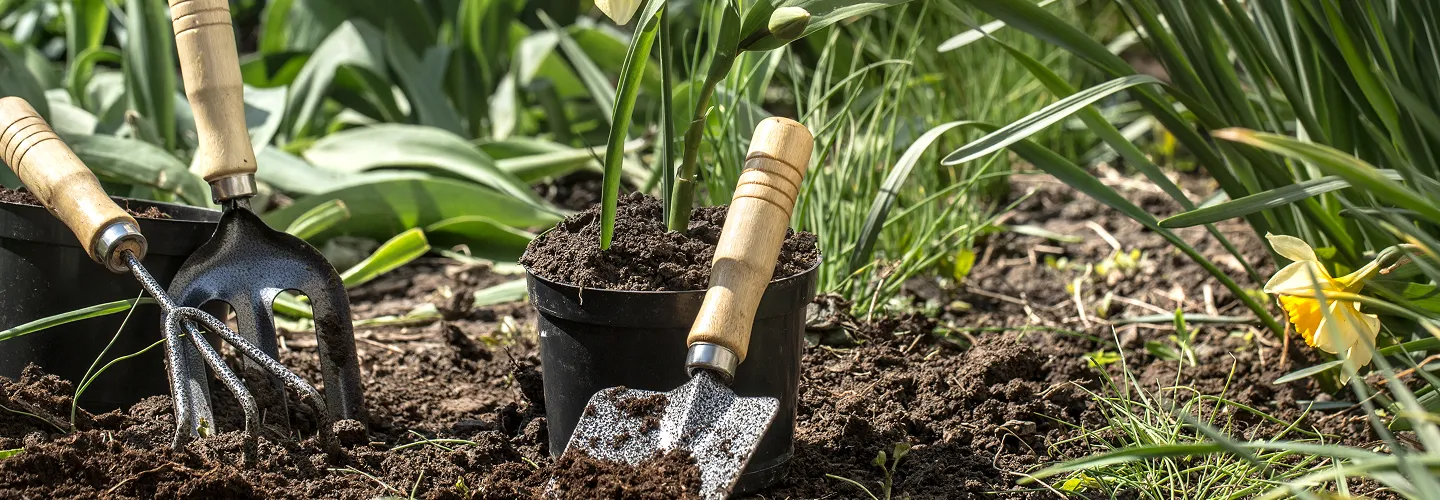
Cuthbert Flower Planting Services
Choose Cuthbert for vibrant, expertly arranged flower beds that boost your home's curb appeal and bring lasting beauty to your outdoor spaces—crafted with care by our passionate planting specialists.
Get a Free QuoteOur Cuthbert Landscaping & Yard Care Services
When to Schedule Flower Planting in Cuthbert, Georgia – Seasonal Guide
In Cuthbert, Georgia, timing your flower planting is crucial for vibrant, long-lasting blooms. The region’s mild winters and hot, humid summers mean that early spring and late fall are generally the best periods for planting most annuals and perennials. Local neighborhoods like Shellman Road and the area near Andrew College often see residents preparing their beds as soon as the last frost passes, typically in late March. This timing allows roots to establish before the intense summer heat arrives.
Cuthbert’s unique landscape features—such as the sandy loam soils near the Randolph County Courthouse and the shaded lots along Lumpkin Street—require careful consideration. Factors like late-spring humidity, occasional drought risk, and the city’s average frost dates all play a role in determining the best planting window. For more detailed climate data and local gardening resources, you can consult the Sudbury municipal site.
Local Factors to Consider for Flower Planting in Cuthbert
- Proximity to mature trees and resulting shade coverage
- Soil drainage and composition (sandy loam is common)
- Average last frost date (late March)
- Summer drought risk and irrigation availability
- Terrain slope and runoff patterns
- Local precipitation trends
- Municipal landscaping guidelines or restrictions
Benefits of Flower Planting in Cuthbert

Expert Landscaping Services
Customized Garden Designs
Seasonal Plant Selection
Enhanced Curb Appeal
Eco-Friendly Practices
Reliable Local Team

Cuthbert Flower Planting Types

Perennial Flower Beds
-
Annual Flower Displays
-
Native Wildflower Gardens
-
Seasonal Bulb Planting
-
Pollinator-Friendly Plantings
-
Shade Garden Installations
-
Container Flower Arrangements
Our Flower Planting Process
Site Evaluation
Soil Preparation
Flower Selection
Planting
Watering and Mulching
Why Choose Cuthbert Landscape Services
-
Cuthbert Homeowners Trust Us
-
Expert Lawn Maintenance
-
Reliable Scheduling
-
Competitive Pricing
-
Professional Team
-
Satisfaction Guarantee
-
Personalized Service
Cuthbert's Coastal Plain Soils and Their Impact on Flower Bed Preparation
Cuthbert sits within Georgia's lower Coastal Plain region in USDA Hardiness Zone 8b, where sandy loam and loamy sand soils from the Tifton, Orangeburg, and Norfolk soil series predominate. These soils are characteristically acidic, often registering a pH between 4.8 and 5.8, and drain rapidly—conditions that directly affect flower planting success. Before installing annuals or perennials, property owners should address several soil factors:
- Organic matter amendment: Coastal Plain soils are typically low in organic content; incorporating 2–4 inches of composted material into the top 6–8 inches of bed soil improves moisture retention and nutrient availability.
- pH correction: Most flowering plants perform best in a pH range of 6.0–6.8. Lime applications should be guided by a soil test through the UGA Cooperative Extension Randolph County office.
- Nutrient leaching: Sandy soils lose nitrogen and potassium quickly; slow-release fertilizers regulated under the Georgia Fertilizer Act of 1997 are recommended to reduce runoff and maintain consistent feeding.
Residents can verify their property's specific soil series using the USDA Web Soil Survey before beginning any bed construction or amendment program.
Optimal Flower Planting Windows for Cuthbert's Extended Growing Season
Cuthbert's long, warm growing season—typically spanning from mid-March through early November—provides an extended window for flower installation, but timing must account for local frost dates and summer heat stress. The National Weather Service Tallahassee office, which covers Randolph County, reports an average last spring frost around March 15 and a first fall frost near November 10. Practical planting guidance includes:
- Cool-season annuals (pansies, snapdragons, dianthus): Install from late October through early March. These species tolerate Cuthbert's mild winters and decline once sustained daytime temperatures exceed 80°F.
- Warm-season annuals (zinnias, lantana, pentas, vinca): Plant after the last frost date, ideally mid-March through May, to allow root establishment before peak summer heat.
- Perennials (coneflower, black-eyed Susan, salvia, daylily): Fall planting in September through October is preferred, allowing root development during cooler soil temperatures before winter dormancy.
- Summer transplanting: Avoid installing new plantings during July and August when soil temperatures regularly exceed 90°F, which increases transplant shock and irrigation demand.
Consulting UGA Cooperative Extension planting calendars specific to southwest Georgia ensures alignment with local climate data.
Protecting Cuthbert's Drainage Ditches and Low Areas During Bed Installation
Flower bed construction and soil amendment activities can generate sediment and nutrient-laden runoff, particularly on Cuthbert's sandy, sloped, or low-lying properties near drainage ditches and seasonal wet areas. Cuthbert's municipal drainage infrastructure relies on open ditches and swales along many residential streets, and uncontrolled runoff from disturbed planting beds can contribute sediment to these systems and ultimately to Pachitla Creek and other local waterways. The Georgia EPD Watershed Protection Branch oversees water quality standards that apply to all land-disturbing activities.
Property owners and contractors should observe the following precautions:
- Avoid stockpiling topsoil, mulch, or compost adjacent to drainage ditches or within low areas that channel stormwater.
- Install temporary silt barriers or straw wattles downslope of newly constructed beds until vegetation is established.
- Apply mulch at 2–3 inches depth immediately after planting to stabilize exposed soil.
- Do not apply granular fertilizer within 10 feet of drainage ditches or stormwater conveyances.
Residents with questions about drainage easements or ditch maintenance responsibilities should contact the City of Cuthbert government offices for guidance on right-of-way boundaries and stormwater management expectations.
City of Cuthbert Government
109 Pearl Street, Cuthbert, GA 39840
Phone: (229) 732-2711
Official Website: City of Cuthbert Government
How Randolph County Code Enforcement Affects Frontage Planting and Property Appearance
Flower planting on residential and commercial properties in Cuthbert may intersect with local property maintenance standards enforced through Randolph County Code Enforcement. While flower beds are generally encouraged as part of property upkeep, certain installation practices can trigger code concerns if not properly managed:
- Right-of-way encroachment: Planting beds, raised borders, or decorative edging must not extend into the public right-of-way or obstruct sidewalks, drainage ditches, or utility access points. Verify property boundaries before constructing beds near the street frontage.
- Overgrowth and maintenance: Flower beds that become overgrown with weeds or invasive vegetation may be subject to nuisance vegetation complaints. Regular deadheading, weeding, and seasonal bed cleanup help maintain compliance.
- Visibility at intersections: Corner lots must keep plantings below sightline height requirements to avoid obstructing driver visibility. Tall-growing species such as cannas or ornamental grasses should be set back from intersection corners.
Property owners planning large-scale bed installations or raised planter construction near property lines should verify current setback and zoning requirements through Randolph County Planning and Zoning to confirm compliance before beginning work.
Randolph County Code Enforcement
Cuthbert, GA 39840
Official Website: Randolph County Code Enforcement
Selecting Heat-Tolerant and Drought-Adapted Flowers for Cuthbert Landscapes
Southwest Georgia's summer conditions—with average high temperatures exceeding 90°F from June through September and periodic drought—demand careful species selection for flower plantings in Cuthbert. The region's sandy Coastal Plain soils compound heat stress by draining moisture rapidly, making drought-adapted and heat-tolerant varieties essential for sustainable beds. The USDA Plant Hardiness Zone Map confirms Cuthbert's Zone 8b classification, which supports a wide range of warm-climate flowering plants.
Recommended species for Cuthbert's conditions include:
- Annuals: Vinca (Catharanthus roseus), lantana, portulaca, pentas, and celosia tolerate full sun and sandy, well-drained soils with minimal supplemental irrigation once established.
- Perennials: Coneflower (Echinacea), rudbeckia, gaillardia, salvia greggii, and native coreopsis are well-suited to Cuthbert's heat and soil acidity.
- Pollinator-friendly natives: Native species such as blazing star (Liatris), bee balm (Monarda), and butterfly weed (Asclepias tuberosa) support local pollinator populations and are adapted to the region's natural soil and rainfall patterns.
Residents should avoid species requiring consistently moist, rich soils—such as impatiens or astilbe—which perform poorly in Cuthbert's sandy, fast-draining conditions. The UGA Cooperative Extension publishes region-specific plant selection guides that account for southwest Georgia's soil, heat, and humidity factors.
What Neighborhoods Do We Serve Throughout Cuthbert, GA?
- Downtown Cuthbert Historic District: Properties near the courthouse square and along Blakely Street feature mature shade trees and older lot configurations. Flower beds in this area often require shade-tolerant species and careful coordination with existing root systems and historic sidewalk infrastructure.
- Andrew College Area: Residential lots surrounding Andrew College tend to have established landscapes with mixed sun and shade exposure. Sandy loam soils in this area benefit from organic amendment before planting.
- South Cuthbert / US-82 Corridor: Properties along and south of the US-82 corridor feature more open, sun-exposed lots with sandy soils prone to rapid drainage. Heat-tolerant annuals and deep-mulched beds perform well in these conditions.
- Dawson Street / North Cuthbert Residential Area: Older residential neighborhoods along Dawson Street and adjacent side streets have compacted yard soils from decades of use. Bed preparation here may require more intensive soil loosening and amendment.
- Randolph County Fairgrounds Vicinity: Properties near the fairgrounds and along the western edges of the city limits feature larger lots with variable soil conditions, including low areas that may retain moisture seasonally. Species selection should account for both drainage and occasional wet conditions.
- East Cuthbert / Church Street Corridor: This area includes a mix of residential and institutional properties with mature pecan and oak canopy. Shade-adapted perennials and seasonal color rotations are appropriate for beds beneath established tree cover.